
Made by hand.
Made to last.
Authentic brass and bell-metal pieces shaped by master artisans in India. Crafted for your sacred altar, everyday dining, and cherished spaces.
Vessels of Purpose & Poise
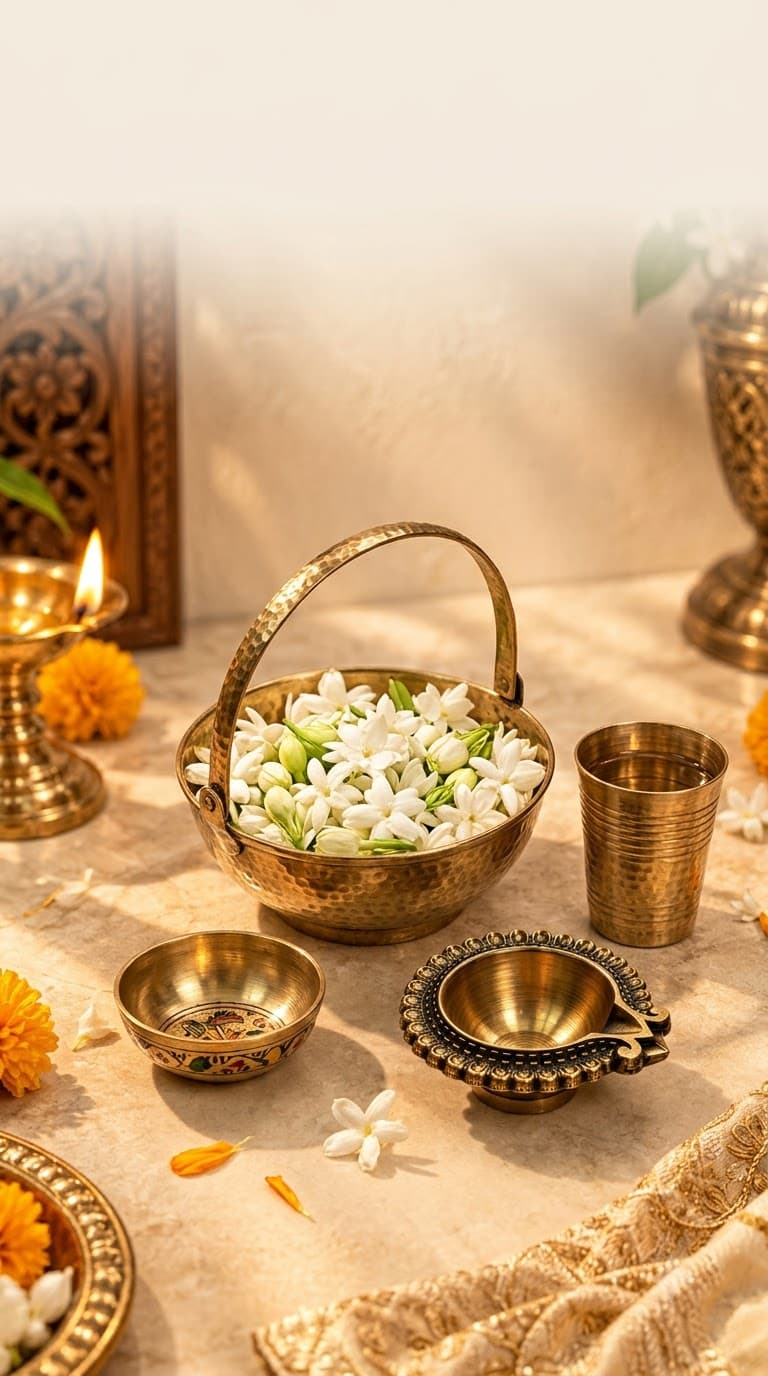
Pooja Essentials
Diyas, urlis, flower baskets, and sacred thalis for daily devotion.
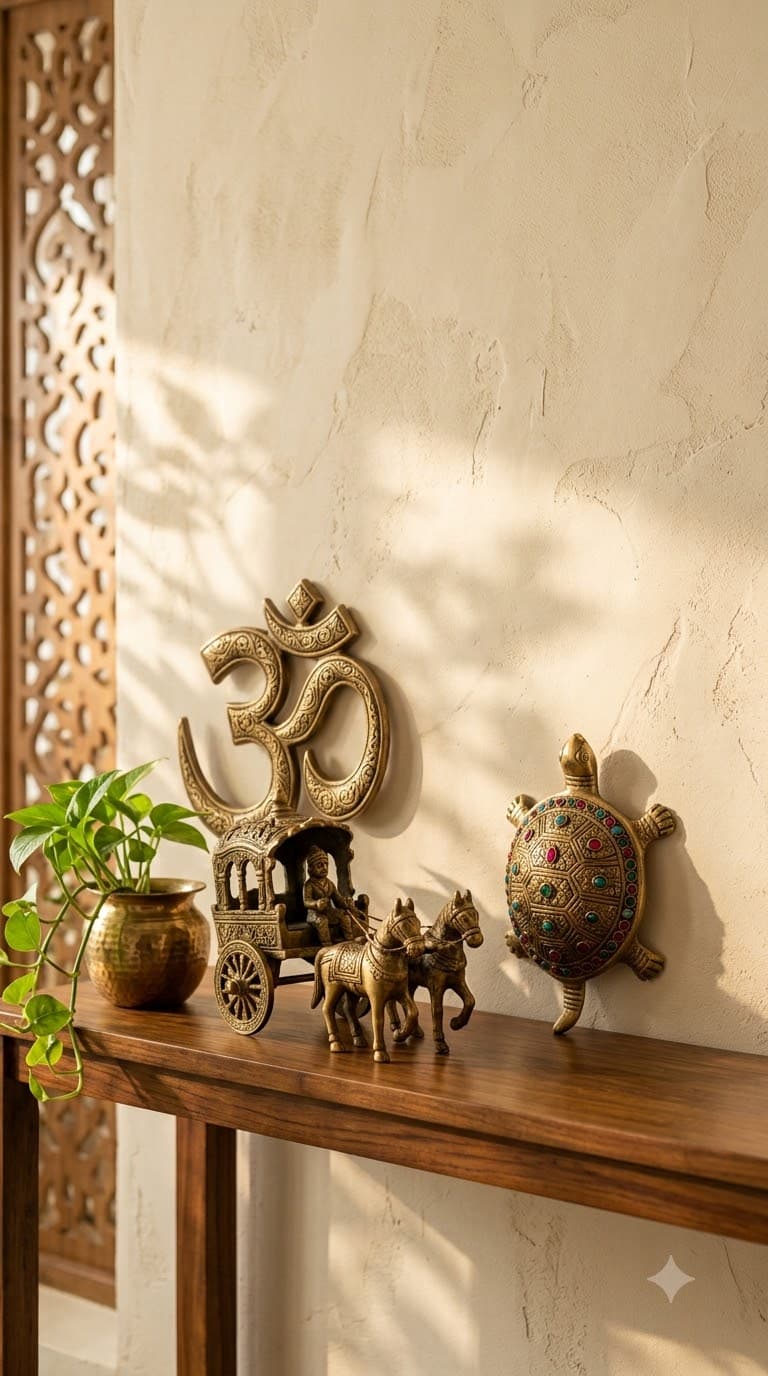
Home Decor
Hand-sculpted wall hangings, bells, and decorative brass statues.
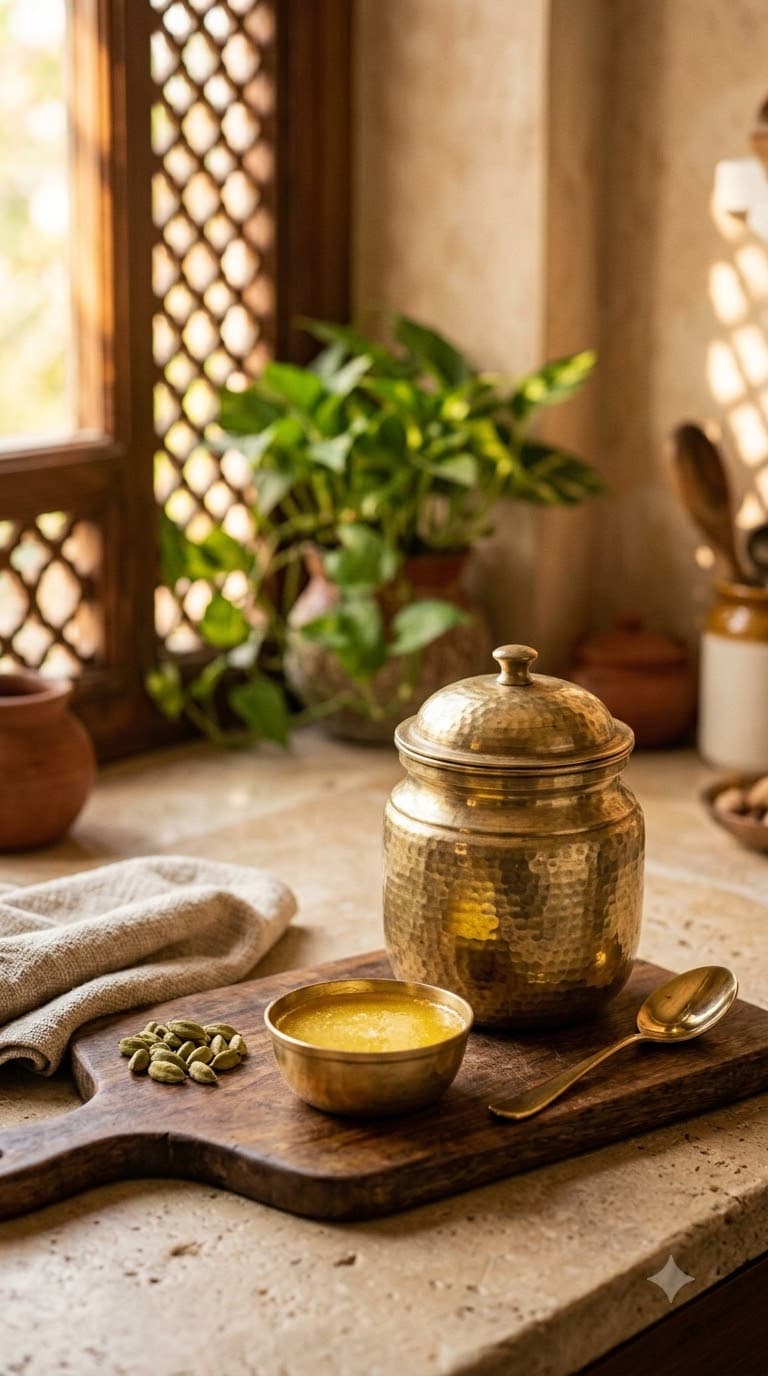
Kitchen & Tableware
Traditional ghee pots, pooja glasses, and copper water vessels.
Shop by Metal
Each alloy has its own colour, its own sound, and its own place in the Indian home.
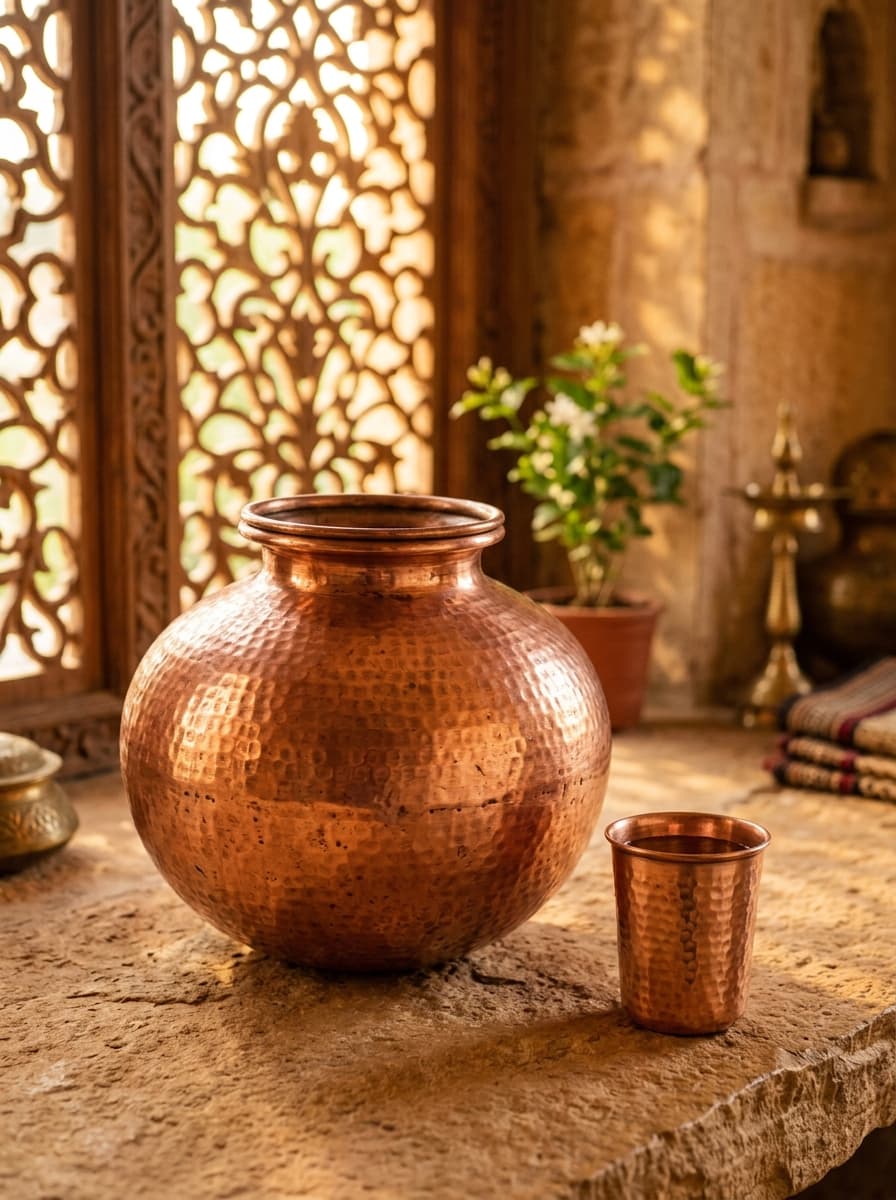
Featured Masterpieces


Shaped by fire. Sung into being with a hammer.
Kansa (bell-metal) is an ancient Ayurvedic alloy consisting of 78% copper and 22% tin. When struck, it emits a resonant hum that purifies space and stills the mind.
Unlike machine-pressed metalware, each Kaansa piece carries the subtle signature texture of the artisan who hammered it.
“A brass vessel should feel heavy with dignity, soft to touch, and warm to the eye.”— Master Craftsman, Moradabad
Our Core Principles
Ayurvedic Wellness
Kansa and copper have served food and water in Ayurveda for centuries.
Pure Metal
No lacquer, no toxic coatings, no filler alloys. Just honest metal.
Craftsmanship
Every piece is cast, hammered and polished by hand.
Revival of Craft
Each order keeps traditional metalsmithing families at work.
Built to Last
Made for daily use and handed down for generations.
Sacred Tradition
Forms drawn from the rituals of the Indian home and temple.
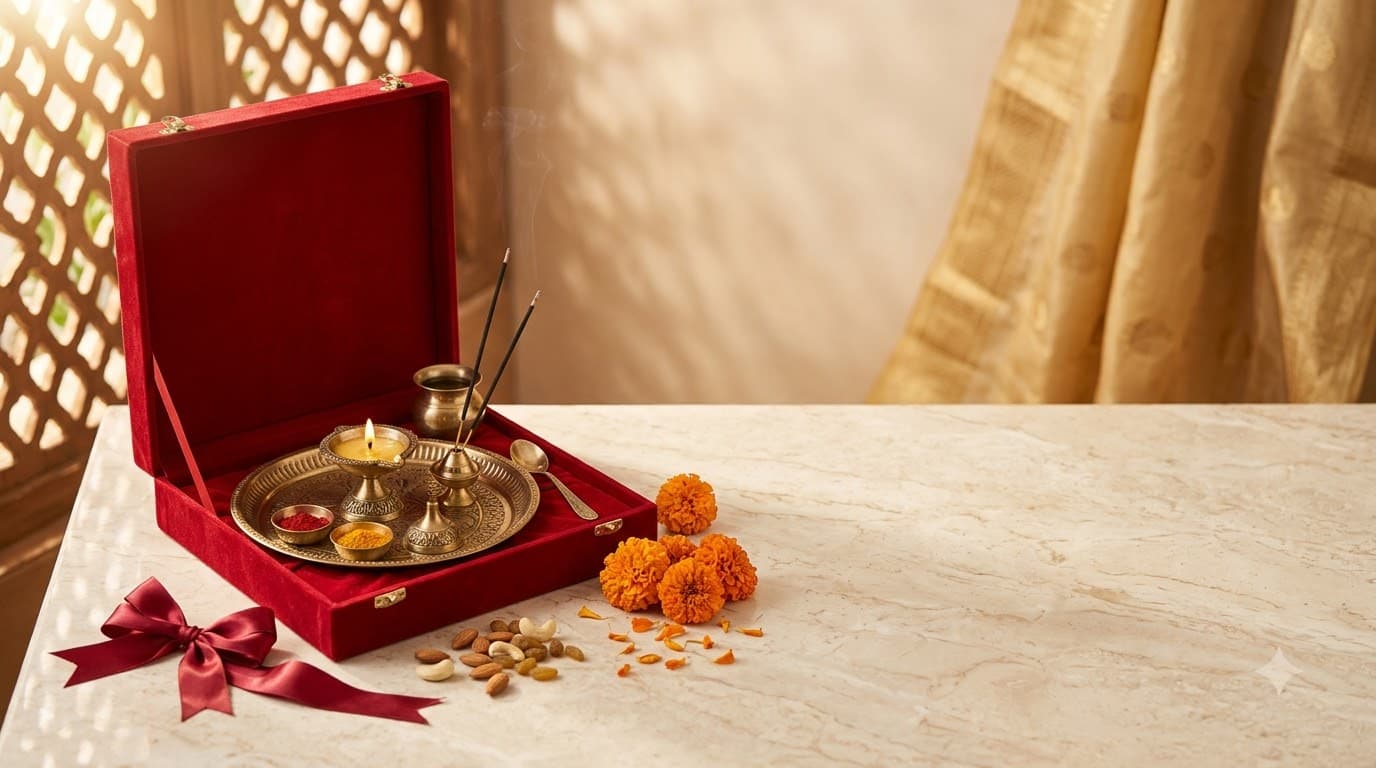
Spaces Touched by Warmth
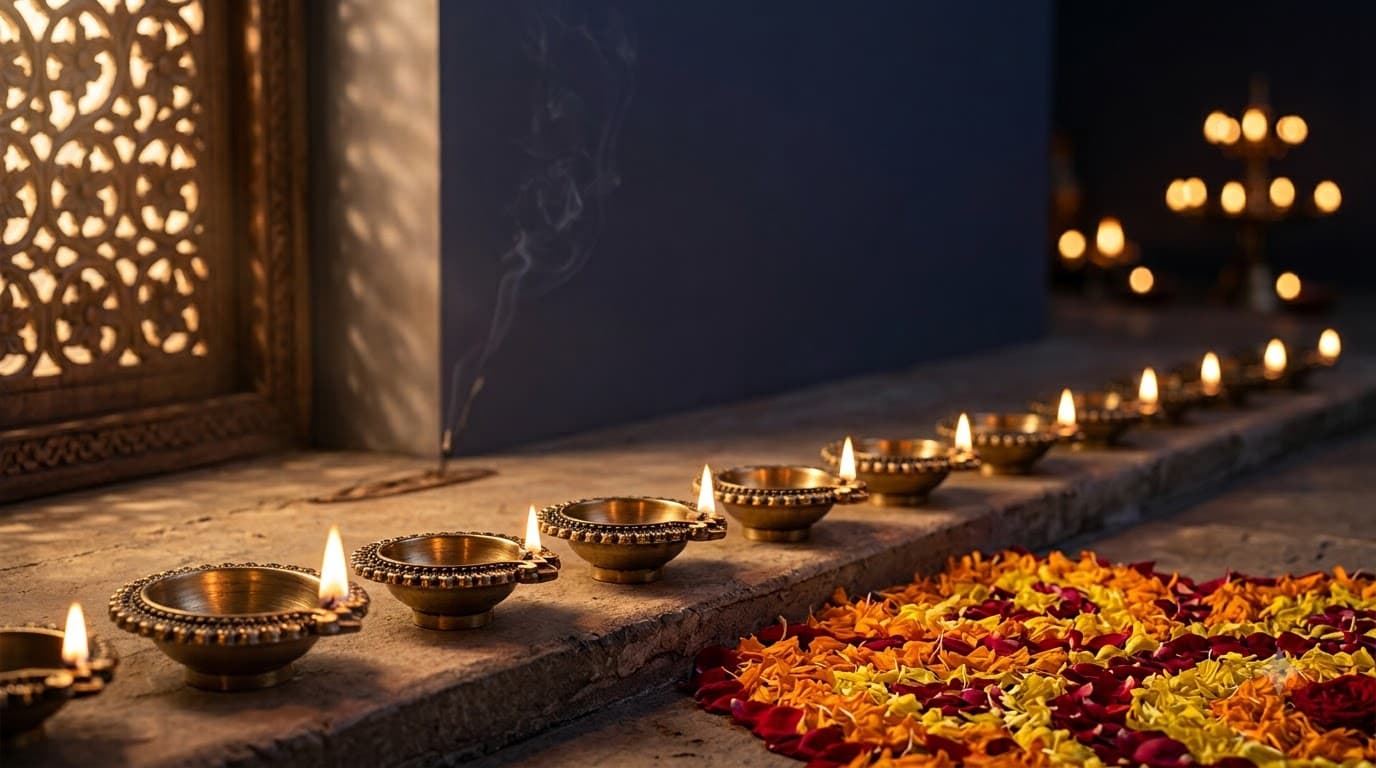
The Golden Flame of Diya
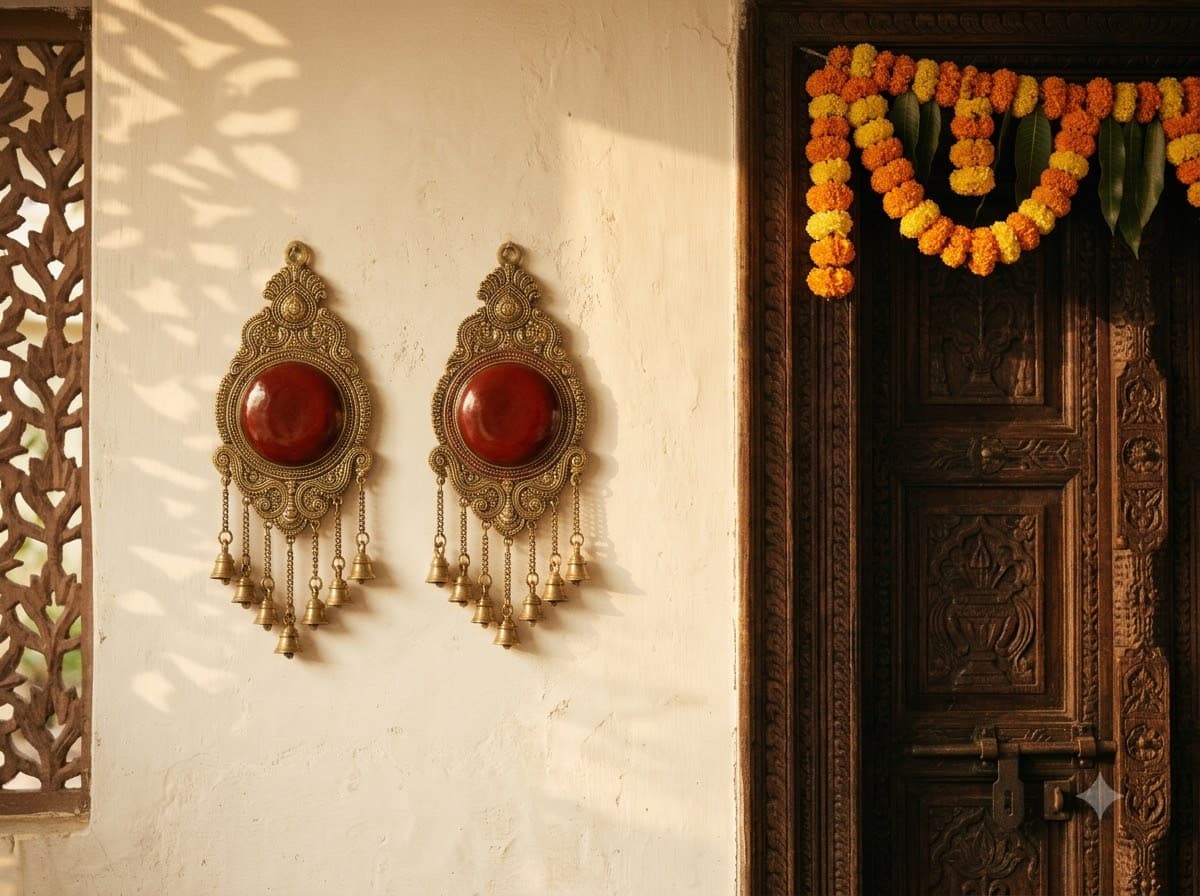
Shubh & Labh Wall Accents
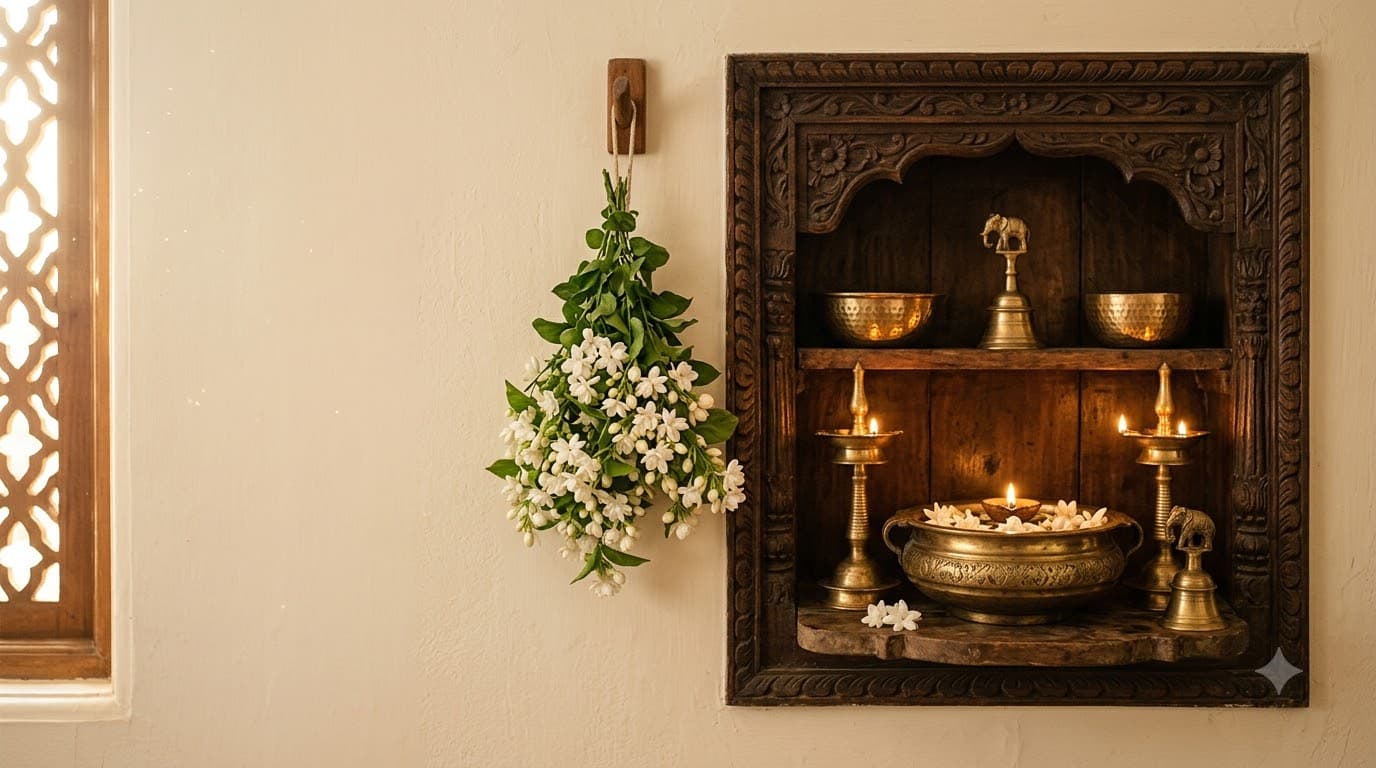
Generations of Pure Metal
Hear It From Others
The kansa thali feels substantial and beautifully finished. Meals feel like a ritual again.
Gifted the urli at a griha pravesh and everyone asked where it was from. Packaging was lovely.
You can see the hammer marks. It is clearly made by hand and not by a machine.
Frequently Asked
Can I cook and eat in brass, kansa and copper?
Kansa (bell metal) is safe for serving and eating. Brass and copper cookware should be tin-lined (kalai) before cooking acidic food.
How do I clean and care for my pieces?
Wash by hand with a mild soap and dry right away. To restore shine, rub with a paste of tamarind or lemon and salt, then rinse. Avoid dishwashers and harsh scrubbers.
Why does my piece look darker over time?
Natural metal oxidises. This patina is a sign of pure, uncoated metal, not a defect. A quick polish brings back the original glow.
Are there slight differences between pieces?
Yes. Every piece is shaped by hand, so small variations in hammer marks, tone and weight are expected. No two are identical.
What is kansa?
Kansa is a traditional bell-metal alloy of roughly 78% copper and 22% tin. It has been prized in Ayurveda for serving food and water.